Shock Absorbers Wear Out
Manager engagement fell to 22% in 2025, down from 27% in 2024 and 31% in 2022. That’s from Gallup’s State of the Global Workplace 2026 report, which also found overall employee engagement at 20%, the lowest since 2020, and that leaders report more stress than individual contributors. Closer to home, LeadDev’s annual survey of engineering leaders found that 54% of CTOs feel emotionally drained at least weekly, up from 24% the year before.
Meanwhile, managers are covering more ground. Forbes reported in May 2026 that the average span of control rose from 8.1 in 2013 to 12.1 in 2025.
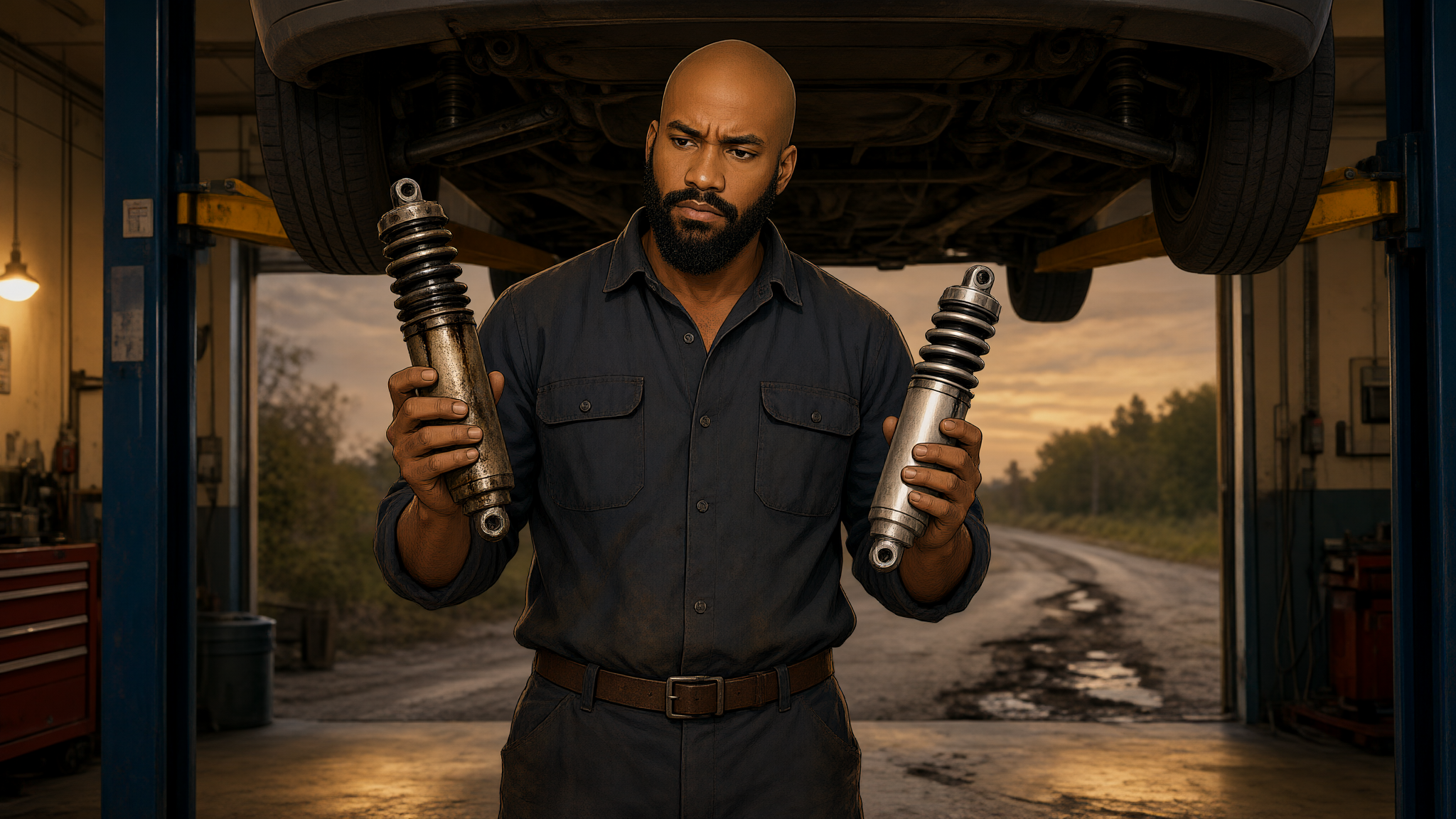
I think of managers as an organization’s shock absorbers. On a car, the shocks sit between the wheels and the frame. Every pothole hits them first, and if they’re doing their job, the passengers barely notice the road. However, shocks wear out, and they rarely fail all at once. The ride gets a little rougher every month until you hit one bump too many and something around the shock absorber breaks. By then you’re paying for more than shocks.
That’s what those numbers look like to me. Managers have spent the last couple of years absorbing reorganizations, AI mandates, return-to-office debates, and layoff headlines, and their teams have had a smoother ride because of it. The wear just doesn’t show until something breaks really badly.
Early in my career, I led an offshore interface team of about 30 people on a telecom program that was moving thousands of call center agents onto a new system. I had a small onshore team of managers who managed the offshore workers, and a few months in, the onshore managers were tired. We were moving at a fast pace, and they had to stay up late managing the offshore team that was many timezones away. So, I wrote to my manager: “Is there budget to have a dinner for my onshore team? They have worked tremendously hard, and I would like to take them out.”
The answer was not what I wanted. I forwarded it to my onshore maagers with a note: “Not exactly what I wanted, but hopefully we can get some kind of outing scheduled.” A week later, I sat down with those leads over coffee to thank them and to work through headcount and roll-off plans, and to keep pushing us to “think of ourselves as one interface team” instead of work cells separated by an ocean. My manager later wrote that, in a hectic environment, I “found time to talk to team members one on one on a frequent basis.”
I’ve thought about that exchange a lot. Dinner needed a budget. The thanks never did, and neither did the one-on-ones. Those were the things holding a tired team together, and they cost time instead of money.
Also, I had someone absorbing shocks for me. That firm gave its consultants a formal career counselor, and I leaned on mine more than once. With spans of control getting wider, a lot of managers today have nobody whose job is to listen to them.
So, here’s what I encourage leaders to do as we head into the holidays.
First, who is having one-on-ones with your managers? Are they effective and supportive? If the answer is “not really”, start there.
Second, look at the span of control for each manager. If a manager’s team has doubled, something in their job has to come off the plate. Otherwise you’ve just added potholes.
Third, schedule positive feedback like any other recurring work. LeadDev also found that the share of tech leads getting regular positive feedback fell from 41% to 31% in a year. Praise is free, so letting it slide is a choice.
And if you’re a manager reading this over the break, find your own version of a career counselor. I’m still glad I had mine.